 Aviation Historical
Society of Australia (NSW) inc
Aviation Historical
Society of Australia (NSW) inc
ABNP: 83 295 759 224
PO Box K346
Haymarket NSW 1238
Air Mail Centenary Commemoration Group
Newsletter 1: 14 August
2013
Aviation Historical
Society of Australia (NSW) inc
ABNP: 83 295 759 224
PO Box K346
Haymarket NSW 1238
Air Mail Centenary Commemoration Group
Newsletter 1: 14 August
2013
At our meeting last Wednesday AHSA NSW adopted the recommendations
of the Commemoration Group and officially decided to commemorate the centenary
of air mail and air freight in Australia: French aviator Maurice Guillaux took
off from Flemington racecourse, Melbourne at 9 12 am on 16 July 1914 and landed
at Sydney’s Moore Park at 2 55 pm on 18 July, carrying postcards and some
Liptons tea and other small items.
The commemorations will largely involve a
re-enactment of Guillaux’ flight, as described overleaf, but AHSA doesn’t want
to just mark this anniversary: we want to use the occasion to publicise the
wonderful history and heritage of Australian aviation.
 Since the idea was first mentioned at
June’s AHSA meeting, there has been a remarkable amount of interest and
enthusiasm for the project. The reaction of the French community has been
amazing: French Consul-General, M Eric Berti, is obtaining support from a wide
range of French organisations and businesses: the re-enactment will be run on
Saturday 12 July, Sunday 13 July, and will conclude as centrepiece of Sydney’s Bastille
Day commemorations on July 14. Shell Australia supplied fuel to Maurice
Guillaux and also sponsored the 1964 and 1989 commemorations, and has again
come to the fore. HARS (Historic Aircraft Restoration Society) are supplying a
Caribou as escort aircraft for the principal mail plane, and Shell is paying
the expenses.
Since the idea was first mentioned at
June’s AHSA meeting, there has been a remarkable amount of interest and
enthusiasm for the project. The reaction of the French community has been
amazing: French Consul-General, M Eric Berti, is obtaining support from a wide
range of French organisations and businesses: the re-enactment will be run on
Saturday 12 July, Sunday 13 July, and will conclude as centrepiece of Sydney’s Bastille
Day commemorations on July 14. Shell Australia supplied fuel to Maurice
Guillaux and also sponsored the 1964 and 1989 commemorations, and has again
come to the fore. HARS (Historic Aircraft Restoration Society) are supplying a
Caribou as escort aircraft for the principal mail plane, and Shell is paying
the expenses.
There has been considerable discussion about the type
of aircraft to be used as the centrepiece of the mail flight. AHSA have decided
to accept an offer to supply a Jabiru, a modern Australian-designed,
Australian-built light aircraft. This will showcase Australian skills and
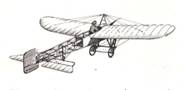
expertise, using a modern aircraft that has many similarities with the Bleriot
in terms of size, weight and dimensions. However, there is always room for more
participants. We hope that many aircraft, of all sizes and ages, will join in,
if only for part of the journey or at a fly-in at any one of the airfields en
route.
Between now and November we are
collecting ideas for possible adoption, so if you have a suggestion, or you
would like to help, please send an email to guillauxcentenary@gmail.com . After November, we will have
a six-month planning period, ending April, when we will have a detailed plan
that will provide an exciting, safe and memorable program.
99
years (to the minute!) from Guillaux’ arrival at
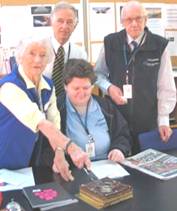
Goulburn, the ‘Thursday volunteers’ at PowerHouse Museum celebrated the anniversary
of the flight. With the knife: senior volunteer Margaret Waller; looking on are
ex-QANTAS pilot Geoff McGirr, a former QANTAS
747 pilot, former industrial chemist Bill Aitken,
who is the historian and webmaster for the North Weald airfield in southern
England and secretary of the Spitfire Society of Australia, and Leah Miller,
our expert on environmental science.
PHM
and PDC volunteers of the Museum of Applied Arts and Sciences are particularly
keen to assist and are bringing many useful skills to the project!
Maurice Guillaux, 1914:
1. Flemington racecourse 9 12 am
16 July
2. Jordan’s paddock. Seymour
3. J Sisley’s paddock, Racecourse
Road, Wangaratta
4. Albury racecourse
5. Wagga Wagga
racecourse (he landed at the wrong racecourse, in the middle of a race meeting,
then quickly moved to the right one!)
6. Harden (no exact details of
the landing ground are available); overnight 16 July, delayed one full day by
weather, overnight 17 July, Carrington Hotel
7. Goulburn racecourse
8. Paddock near centre of village
of Liverpool
9. Moore Park 2 50 pm 18 July
Our
proposed itinerary:
1.
9 12 am 12 July, Flemington racecourse, ideally with mail-carrying
aircraft, otherwise helicopter or even land vehicle, AHSA Victoria to help
2. Strathbogie airfield, 20k N of
Seymour
3. Wangaratta Airport
4. Albury Airport, probable
overnight
5. WaggaWagga Airport
6. Temora (additional stop)
7. Harden airport, overnight
Carrington Hotel
8. Goulburn airport
9. Bankstown – just possibly
Camden if AAMB has moved
10. Moore Park ideally with
mail-carrying aircraft, otherwise helicopter or even land vehicle, Bastille Day
commemoration
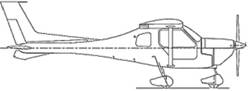
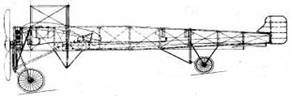
The
drawings are not of the actual aircraft to be used, but the scale used is
approximately the same for each aircraft.
|
|
Jabiru 3300A |
Bleriot |
|
Engine |
3.3 l, 120 hp |
3.5 l, 50 hp |
|
Span |
9.58 m |
8.53 m |
|
Length |
6.55 m |
7.7 m |
|
Height |
2.6 m |
2.4 m |
|
Gross weight |
600 kg |
450 kg |
|
Max speed approx |
259 km/hr |
105 km/hr |
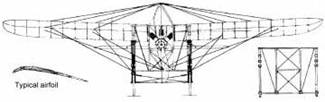
The
Bleriot’s complex rigging is made necessary by the ‘wing warping’ method of
control as well as to add strength.
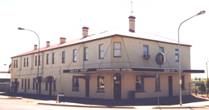 Maurice Guillaux stayed here on 16
and 17 July, 1914. His attempts to move on were thwarted by bad weather, so he
had to stay an extra night. When the current manager,
Debbie Astill, heard of the re-enactment she insisted
on providing accommodation for the re-enactment party. The evening of Sunday
July 13 2014 is already shaping up as an exciting time in this lovely township.
Maurice Guillaux stayed here on 16
and 17 July, 1914. His attempts to move on were thwarted by bad weather, so he
had to stay an extra night. When the current manager,
Debbie Astill, heard of the re-enactment she insisted
on providing accommodation for the re-enactment party. The evening of Sunday
July 13 2014 is already shaping up as an exciting time in this lovely township.
(Picture from gdaypubs.com.au)
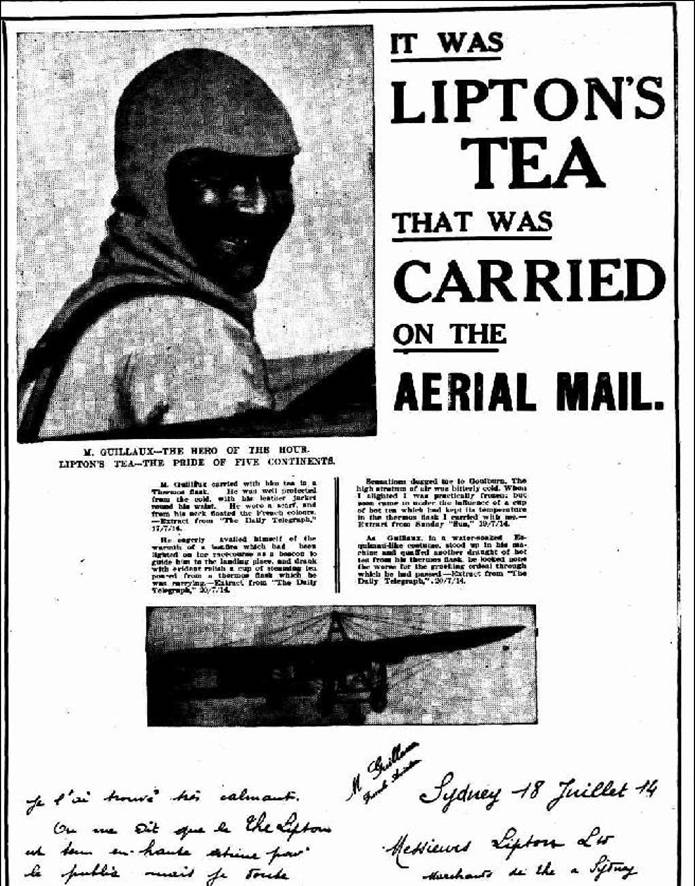
Pauline
Kanakis, Liptons product manager, has stated that her
organisation ‘will be honoured to participate’ in the re-enactment. The
reproduction of Guillaux’ picture does not do justice to his ‘matinee good
looks’!
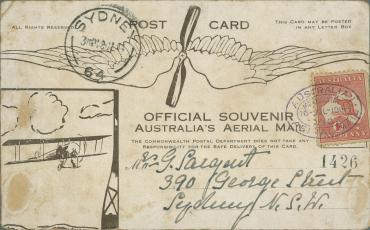
Maurice
Guillaux’ total load in his epic Sydney / Melbourne flight weighed a total of
only about 40 pounds, less than 20 kg.
 The most important part of the
load was 1785 specially printed postcards. These had been produced in somewhat
of a hurry: this might explain the fact that the aircraft illustrated has no
resemblance to Guillaux’ Bleriot. Originally sold for one shilling, the cards
are now worth about $450. This example is from the collection of the Museum of
Applied Arts and Sciences.
The most important part of the
load was 1785 specially printed postcards. These had been produced in somewhat
of a hurry: this might explain the fact that the aircraft illustrated has no
resemblance to Guillaux’ Bleriot. Originally sold for one shilling, the cards
are now worth about $450. This example is from the collection of the Museum of
Applied Arts and Sciences.
But
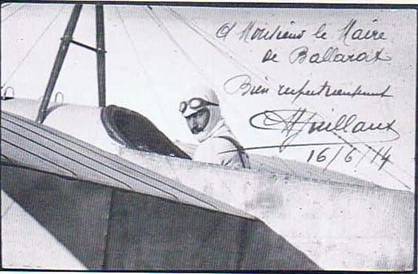
there was at least one unofficial flight before July 16. On 9 June 1914 Guillaux
flew from Bendigo to Ballarat; carrying a letter from the Mayor of Bendigo to
the Mayor of Ballarat.
Even
before this, Guillaux had the habit of distributing postcards to the mayors and
other important people in the country towns he visited. The specimen
illustrated is believed to be the only survivor, and is worth around $17 500.
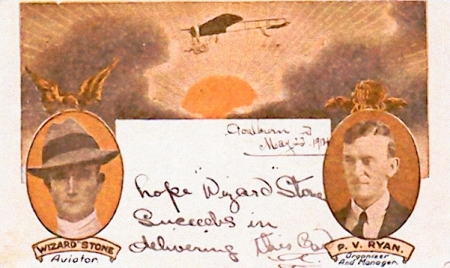 This airmail card was prepared
for a proposed flight by the American aviator, ‘Wizard’ Stone. He had come to
Australia in 1912 with an American-built Bleriot monoplane. Plans were made for
an airmail flight, but unfortunately he crashed on 1 June 1914. He was injured
and his aircraft was badly damaged, and Guillaux was given the task.
Incidentally, Stones’s mechanic was Bert Hinkler, later
to become famous in his own right as a long-distance solo aviator..
This airmail card was prepared
for a proposed flight by the American aviator, ‘Wizard’ Stone. He had come to
Australia in 1912 with an American-built Bleriot monoplane. Plans were made for
an airmail flight, but unfortunately he crashed on 1 June 1914. He was injured
and his aircraft was badly damaged, and Guillaux was given the task.
Incidentally, Stones’s mechanic was Bert Hinkler, later
to become famous in his own right as a long-distance solo aviator..